Summarize this article with AI
A shirt seam, damp shorts, or a bouncing pack strap can turn an ordinary run into a painful one. Chafing from running comes from repeated rubbing on the same patch of skin, so the fix starts with finding what keeps touching that spot and reducing the friction.
This guide covers fixes for the most common trouble spots, what to do when a spot starts to hurt mid-run, and how to care for skin that's already raw.
Quick Answer: Why Runners Chafe and What to Do About It
Runners chafe when the same patch of skin rubs again and again against skin, fabric, or gear. Sweat and rain can make it worse. To prevent it, wear moisture-wicking gear that stays in place and doesn't dig in. If a spot has chafed before, protect it ahead of time with an anti-chafe product, petroleum jelly, or suitable tape.
If the rubbing starts to hurt, stop and check the area instead of waiting until the skin bleeds. Give sore or damaged skin time to heal before another run rubs it again.
What Causes Chafing During a Run
Chafing is skin irritation caused by repeated rubbing against skin, fabric, or equipment. Sweat and rain can leave skin more vulnerable to damage, and the longer you run, the more time the rubbing has to build. Cleveland Clinic's chafing guide identifies friction as the cause and moisture as a factor that can make it worse.
To stop it, pinpoint exactly where the rubbing happens. A raised seam, a bra band that shifts, or wet socks could explain why one small patch hurts while the rest of your skin feels fine. Hot weather can mean more sweat, but damp clothes can chafe on a cool day too.

Moisture control and a lubricant work well together: one helps manage sweat, and the other reduces rubbing. Petroleum jelly is an option for friction-prone areas, according to the American Academy of Dermatology (AAD).
Common Chafing Spots for Runners and How to Fix Them
Find the spot that's bothering you below, then check every piece of clothing or gear that touches it.
Groin and Inner Thighs
The cause is usually skin rubbing on skin or a shorts seam that rubs with every stride.
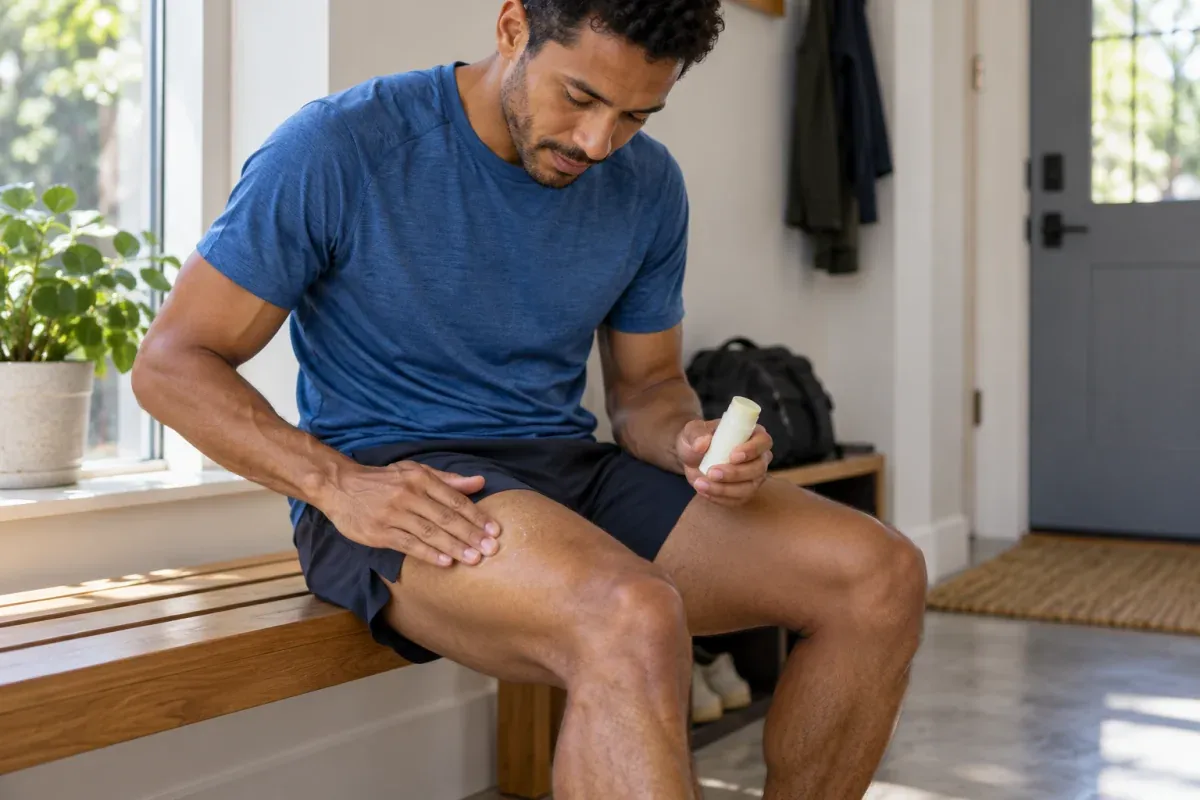
Fix: choose moisture-wicking shorts or tights long enough to keep your thighs from rubbing together. Compression shorts are one option, as long as they fit well, stay in place, and don't dig in. Check the liner and any seams along the inner thigh, too. If you use an anti-chafe product, follow its directions, apply it only to intact outer skin, and keep it away from any sensitive areas the label says to avoid.
Runner's Nipple (Nipple Chafing)
A shirt that keeps rubbing against a nipple can make it sore, and in severe cases, it can bleed.
Fix: for long runs, cover the area with suitable tape or a bandage, or use a lubricant. Check whether your shirt keeps moving over the same spot. Apply tape only to clean, dry, intact skin, and remove it as its instructions describe. For the full breakdown, see what runner's nipple is and how to prevent it.
I run four marathons a year, and I tape before any run over 13 miles. I always round off the corners so the tape doesn't start peeling halfway through. Anti-chafe creams work too, but if you're also taping, go light on the cream near the tape edges, because it makes the adhesive slide. That's my routine, not a distance threshold everyone needs to follow. If you chafe on shorter runs, protect the area for those runs too.
Underboob and Sports Bra Line
Trapped moisture can play a part here, along with fabric, seams, and fit. Take a closer look if the band rides up or an edge digs in.
Fix: look for a supportive sports bra with smooth seams and a comfortable band that stays put. Test it on a shorter run before you rely on it for a long one. If one edge keeps rubbing, a different fit or design may help more than cream.
Underarms, Waistbands, and Pack or Belt Straps
The edge of a shirt, a waistband, or a shifting strap can rub the same patch of skin stride after stride.
Fix: snug up packs and belts so they bounce less, but don't overtighten them. Look for tags or seams near the irritated skin. A lubricant may help on intact skin. If that skin sits under a strap, check the directions for both the product and the gear before you apply it.
Feet
Sock seams and shoe linings can rub your toes or heels, especially when they're wet. That friction can also cause fluid-filled blisters.
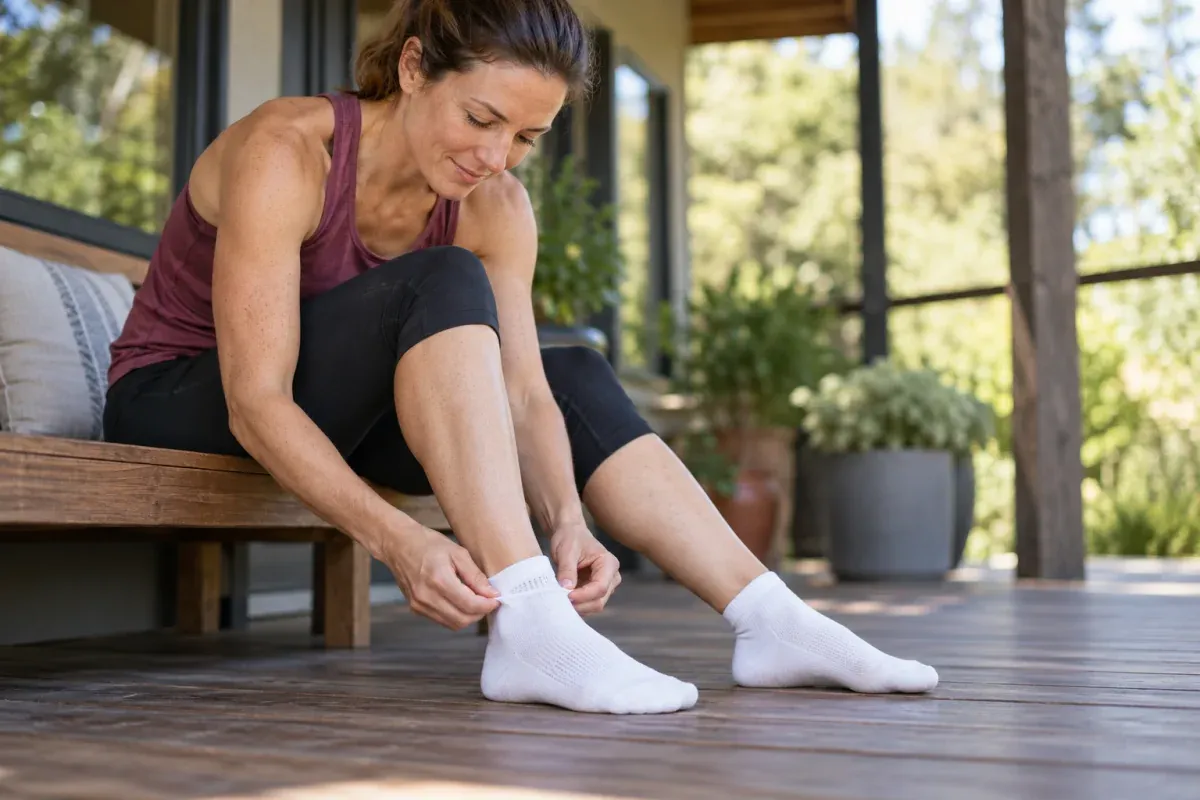
Fix: wear moisture-wicking socks that don't wrinkle or bunch, and check your shoe fit. Shoes that squeeze your foot or let it slide around too much can both cause rubbing. For a known trouble spot, consider a soft protective bandage or padding. The AAD's blister guidance covers socks, shoe fit, and protecting friction-prone skin.
How to Prevent Chafing While Running
Build your routine around the spots that actually rub:
- Choose your clothing carefully: pick smooth, moisture-wicking gear, such as synthetic or wool running clothes, and skip anything with seams, tags, or folds that rub. Cotton soaks up moisture and dries slowly, so it can stay damp against your skin.
- Protect known trouble spots: apply an anti-chafe balm or lubricant before you head out, following the directions. Try any new product on a shorter run first, not on race day.
- Test gear in motion: wear your shorts, bra, socks, and loaded pack together on a short run. Something that feels fine standing still can shift once you start moving.
- Manage wet gear: plan for rain, not just sweat. After you finish, change out of damp clothes and gently dry any skin folds.
- Track your pattern: note where you chafed, the weather, what you wore, and how long you ran. Change whatever touches that spot before deciding you need a different product.
You don't need to cover every inch of skin. Focus on the places that have given you trouble, and adjust as your gear or the conditions change.
Handling Chafing That Starts Mid-Run
A hot spot can feel warm or tender, or start to sting, before you see much irritation. Stop and check it as soon as you feel discomfort. The AAD recommends stopping the activity when friction causes pain or discomfort.
Once you've stopped, deal with whatever is rubbing:
- Straighten a bunched sock, smooth out a fold in your clothing, or shift a strap off the sore spot.
- Gently brush off any grit and pat away extra moisture. Don't scrub.
- If the skin is still intact and you're carrying a suitable protective product, apply it as directed.
End the run if the spot is still sore after you adjust, or if it looks raw, blisters, or bleeds. Keep it away from further rubbing while it heals. Cream or tape doesn't make damaged skin ready for more miles.
How to Care for Chafed Skin
These steps are for mild irritation or a small, superficial raw patch:
- Clean gently with mild soap and water. Don't scrub the sore spot.
- Pat dry. Don't rub it with a towel.
- Protect a clean, minor raw patch with petroleum jelly. It keeps the wound moist while it heals. Try to keep sweat and wet clothes off the surrounding skin.
- Cover broken skin with a nonstick dressing. Change the dressing every day, or sooner if it gets wet or dirty.
- Avoid further rubbing. Wear comfortable clothes, and hold off on whatever activity caused the irritation until the skin has healed.
The AAD's advice for minor wound care supports gentle washing, petroleum jelly, and a dressing, and notes that antibacterial ointment isn't necessary as long as the wound is cleaned daily. Follow a clinician's advice if you've been told otherwise.
Minor chafing often improves within a few days, though broken skin can take longer. If symptoms get worse or aren't improving after a few days, contact a healthcare professional rather than switching from one cream to the next.
Seek prompt medical care for increasing pain, spreading redness, swelling, pus, red streaks, or fever. A deep or very painful wound also needs a professional assessment. Treat these as signs to get checked, not something to diagnose yourself. For more detail, see the AAD's blister advice and DermNet's infection warnings.
Before Your Next Run
Pin down the cause: a seam, a strap, a clothing fold, or skin-on-skin contact. Give sore skin time to recover, and test any change on a shorter run first. Products can reduce friction, but they can't make up for gear that keeps rubbing the same damaged patch.

Frequently asked questions
Is it normal to get chafing from running?
Yes. Chafing is common and affects runners of every body type and experience level. Repeated rubbing causes it, and moisture often makes it worse. But common doesn't mean you should push through pain or keep running on damaged skin.

Why do I still chafe when I use an anti-chafe product?
The product may not be reaching the exact spot that rubs, or it may need reapplying as the label directs. It also can't make up for a seam or strap that moves. Check fit and contact points, not just how you apply it. Adding more product won't always solve the problem.
What should I do when chafing starts mid-run?
Stop as soon as you feel pain or discomfort and check the spot. Fix whatever is rubbing, then gently brush off grit and pat away moisture. If the skin is still sore or looks damaged, end your run and give it time to heal. Don't keep going until it bleeds.
How long does chafed skin take to heal?
Once the friction stops, minor chafing often improves within a few days. More damaged skin can take longer. Get medical advice if it gets worse or isn't improving after a few days, and don't treat any set recovery time as permission to run on sore skin.
Does fabric choice matter for running clothes?
Yes. Smooth, moisture-wicking fabric can help you manage sweat, while cotton soaks up moisture and dries slowly. Fit and seam placement matter too. Even technical fabric can chafe if an edge digs in or the garment shifts.
Blister or chafing: what's the difference?
Chafed skin is usually irritated or raw. A blister is a pocket of fluid that often forms where friction hits thicker skin, such as on your feet. Try not to pop a blister; protect it instead. If it breaks open on its own, leave the loose skin in place, then clean and cover the area rather than peeling that skin away.
When should I see a doctor about chafing?
Seek prompt care for spreading redness, swelling, increasing pain, pus, red streaks, fever, or a deep or very painful wound. It's also worth getting advice if the area gets worse or hasn't improved after a few days. A rash that won't clear up may need a professional assessment rather than more home treatment.
I completed my first 10K on a dare. In a year, I ran a half-marathon. Another year later, I finished a marathon race. Today I run 4 marathons a year and a half-marathon every week. I learned everything about running the hard way. So, I help runners achieve better results easier.