Summarize this article with AI
A cracked phone screen mid-run usually isn't bad luck. It's a sweaty grip, a stumble, and nowhere else for the phone to go, and it's one of the most common ways runners lose a phone that was never actually at risk of being stolen.
This piece skips the usual product roundup and starts from your actual complaint instead: bouncing, sweat or rain damage, needing quick access, or just not wanting to hold the thing for an hour. It's built from tested gear guides, named running coaches, and a large real-world runner discussion, not guesswork.
Match your problem to the fix below, including one option most gear guides skip entirely. Here's how to fix it.
Quick Answer: Match Your Problem to the Fix
Before you read through every category below, start with the complaint that actually brought you here:
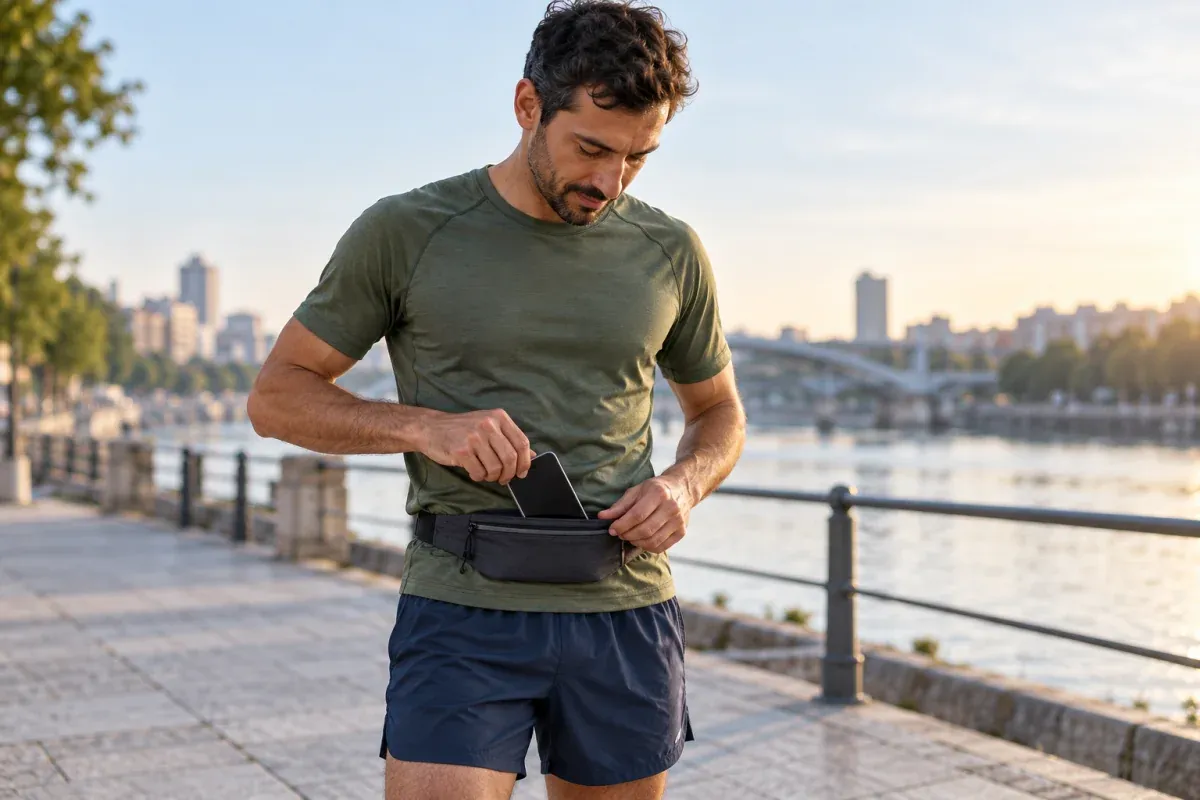
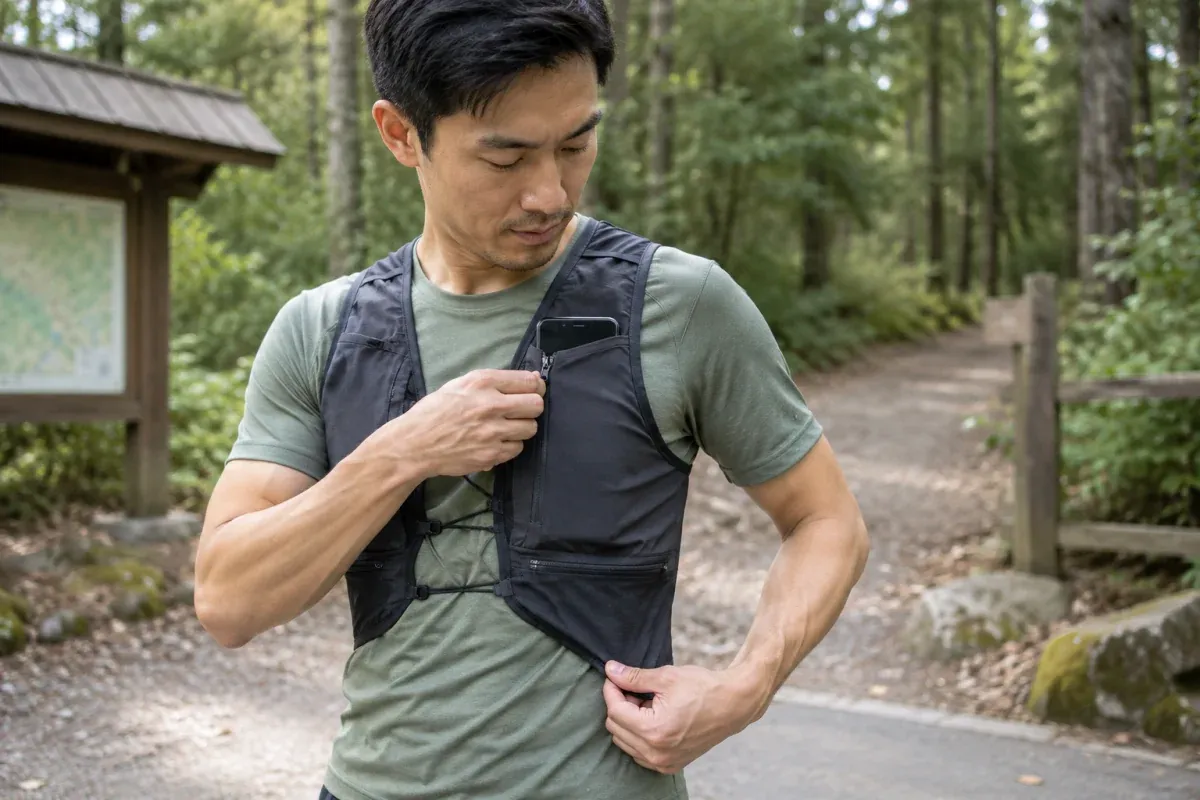
- It bounces too much: a waist belt or pouch, or a running vest with a chest pocket, worn snug and close to your body.
- Sweat or rain is ruining it: a plain sandwich bag or zip-top bag first, since that's free, then a waterproof sleeve or a water-resistant pack pocket if you want dedicated gear.
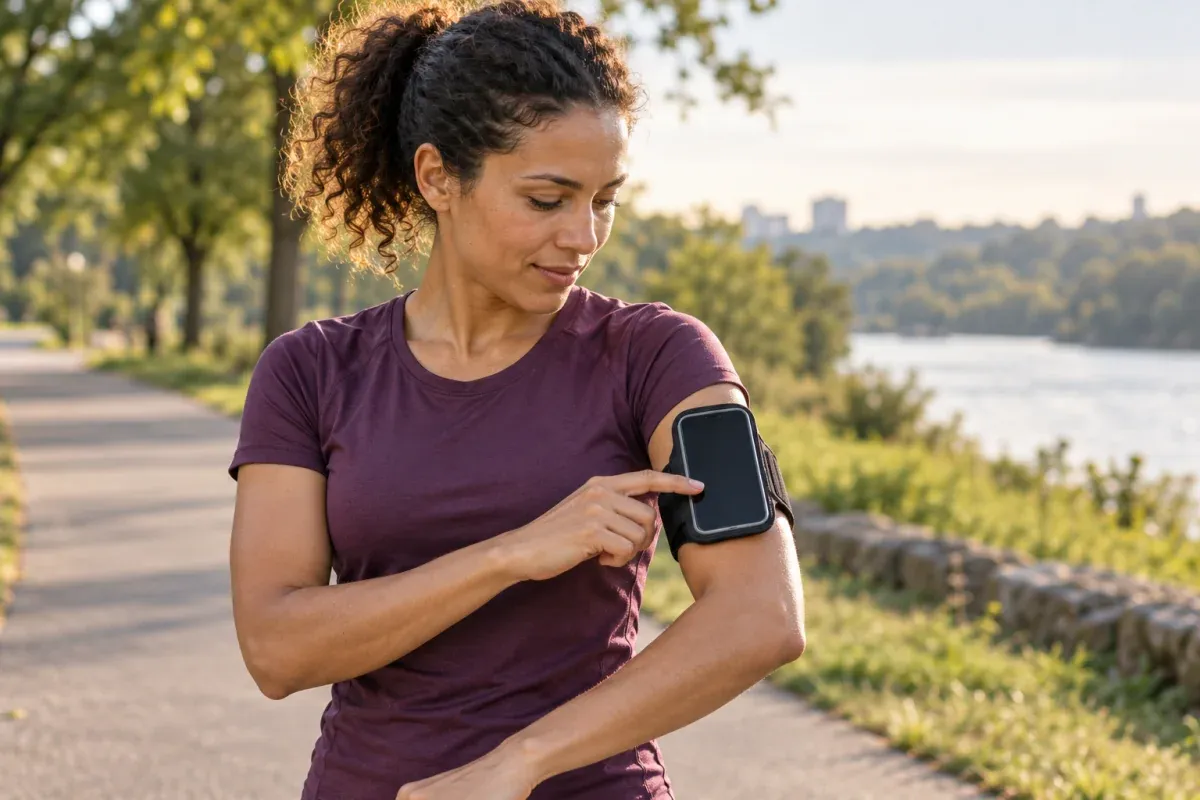
- You need to reach it quickly: an armband gives the best access, a front-facing belt or vest pocket is a solid compromise.
- You don't want to carry it at all: a GPS running watch with cellular capability can replace it for tracking and emergency calls, covered near the end of this guide.
Every one of these has a specific fix. The rest of this guide walks through why, plus one option nobody talks about: not carrying a phone at all.
Should You Just Hold It? The Case Against It
Gripping your phone in your hand for an entire run works, until it doesn't. A certified running coach put it plainly: she's tripped while holding her own phone before, and having a free hand to catch yourself matters more than most runners think about until it's too late.

There's also a simpler, more common failure mode. A sweaty grip and an unplanned stumble are a good way to drop and crack a phone, not lose it. One coach described breaking a brand-new phone twice in two weeks from exactly that.
Worth remembering: the main reason to carry a phone on a run is usually emergency-call capability, not music or photos. That's a good enough reason to solve the carrying problem properly instead of defaulting to a bad grip for the whole run.
If You're Going to Hold It Anyway
Some runners will keep holding it regardless, and that's fine. If that's you, at least buy a heavy-duty, drop-proof case. It won't fix the trip risk, but it solves the much more common problem: cracking the screen or housing the next time you stumble or your hand slips.
The One Rule That Cuts Bounce, No Matter What You Use
Every carrying method has one thing in common when it works well: the phone sits close to your body's center of mass. The closer it rides to your body, the less it bounces, no matter which category you pick.
This is also why placement matters as much as the gear itself. A belt or vest pocket that hugs your waist or chest beats a loose armband or a baggy shorts pocket every time, even if the loose option is technically a "better" category on paper. A snug fit against your body outperforms a loose fit in the "right" category.
Quick test: if you can feel the phone swinging on its own, out of sync with your stride, it's either too loose or positioned too far from your body. Tighten it, reposition it, or switch categories before you assume the method itself doesn't work for you.
Carrying Categories at a Glance
Once you know which problem you're solving, use this to pick the category, then check the tradeoffs before you commit to one.
| Category | Useful when | Tradeoff |
|---|---|---|
| Armband | You want quick screen access | Fit matters; sweat and sleeve slippage can be issues |
| Waist belt or pouch | Bounce control and extra storage matter | Front placement is easier to reach; side or back stays clear of knee drive |
| Sports bra pocket | You prefer carrying the phone in clothing | A pocket between the shoulder blades is harder to reach |
| Shorts or tights pocket | You want a close-fitting clothing pocket | Loose shorts can sag; thigh pockets may chafe on long runs |
| Running vest or pack | You already carry water, gels or a jacket | More gear than a short, simple run may need |
Armbands
Best screen access of any category, since the phone stays visible and reachable without breaking stride. The tradeoff: your arm sweats more than almost anywhere else on your body, and in cold weather, an armband worn over a long sleeve can slip down. Fit matters more here than with any other category. Snug, not tight, keeps it from bouncing.
Waist Belts and Pouches
The most commonly recommended category among experienced runners, and usually the best all-around pick if bouncing is your main complaint. Front placement makes the phone easier to reach but trades away a small amount of bounce control. Back or side placement avoids interfering with your knee drive during the stride, which matters more at faster paces. Most belts also have room for keys, a gel or two, or a card, not just the phone.
Sports Bras with Pockets
An increasingly common category, and one some runners prefer outright over belts. A pocket between the shoulder blades distributes weight evenly and barely moves, but it's the hardest place to reach mid-run. Front-pocket bra designs solve the access problem, at some cost to how much else you can carry.
Shorts and Tights with Pockets
The category with the widest quality range. A tighter, bike-short-style fit holds a phone against your body far better than a loose traditional short, which tends to sag once a phone's weight pulls on the fabric. One real caveat: thigh pockets on tights or compression shorts can start chafing for some runners around the 30-kilometer mark on longer runs. If that's you, a hip or waist option is worth trying instead.
Running Vests and Packs
The best all-around option if you're already carrying water, gels, or a jacket, since the phone rides in its own dedicated pocket instead of becoming one more thing to manage. Overkill for a short, easy run where you're not carrying anything else.
Protecting Your Phone from Sweat and Rain
Start with the free fix before buying anything. A plain sandwich bag or zip-top bag around the phone blocks sweat and rain completely, and it has a side benefit: it makes checking your phone mid-run enough of a hassle that you're less likely to do it out of habit.
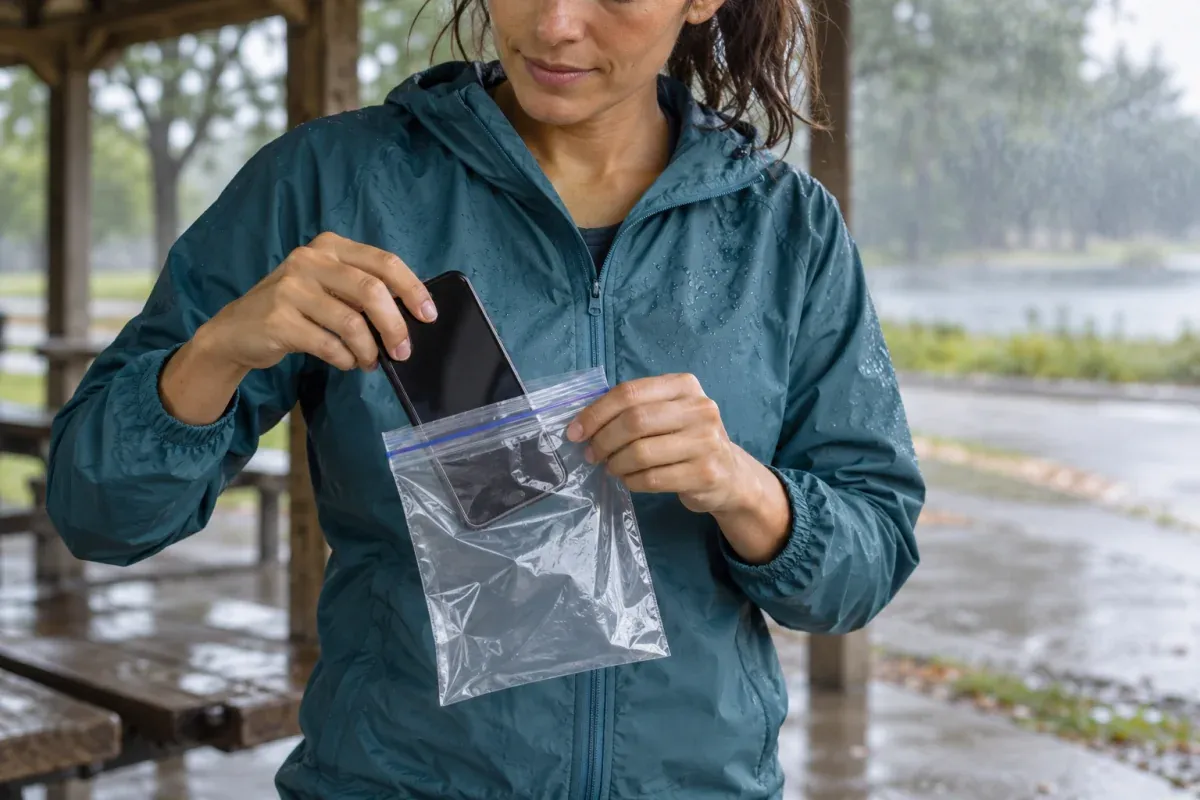
If you want a dedicated solution, a waterproof sleeve or a pack/belt pocket built from water-resistant fabric does the same job without the bag. Either way, a slim case plus a small pouch to separate the phone from keys or gel wrappers riding in the same pocket prevents scratches over time.
If You Need Quick Screen Access
Treat this as its own decision, separate from bounce and sweat. If you check maps, skip tracks, or take photos often mid-run, an armband gives you the fastest access by far. A front-facing belt or vest pocket is a reasonable middle ground. A pocket between your shoulder blades is the slowest to reach, which is fine if you rarely touch your phone once a run starts, but frustrating if you don't.
Or Skip Carrying a Phone Entirely
There's a fifth option none of the usual gear roundups mention: don't carry a phone at all. A GPS running watch with cellular or LTE capability can track your pace and distance, play music, and place an emergency call, all without a phone anywhere on your body.
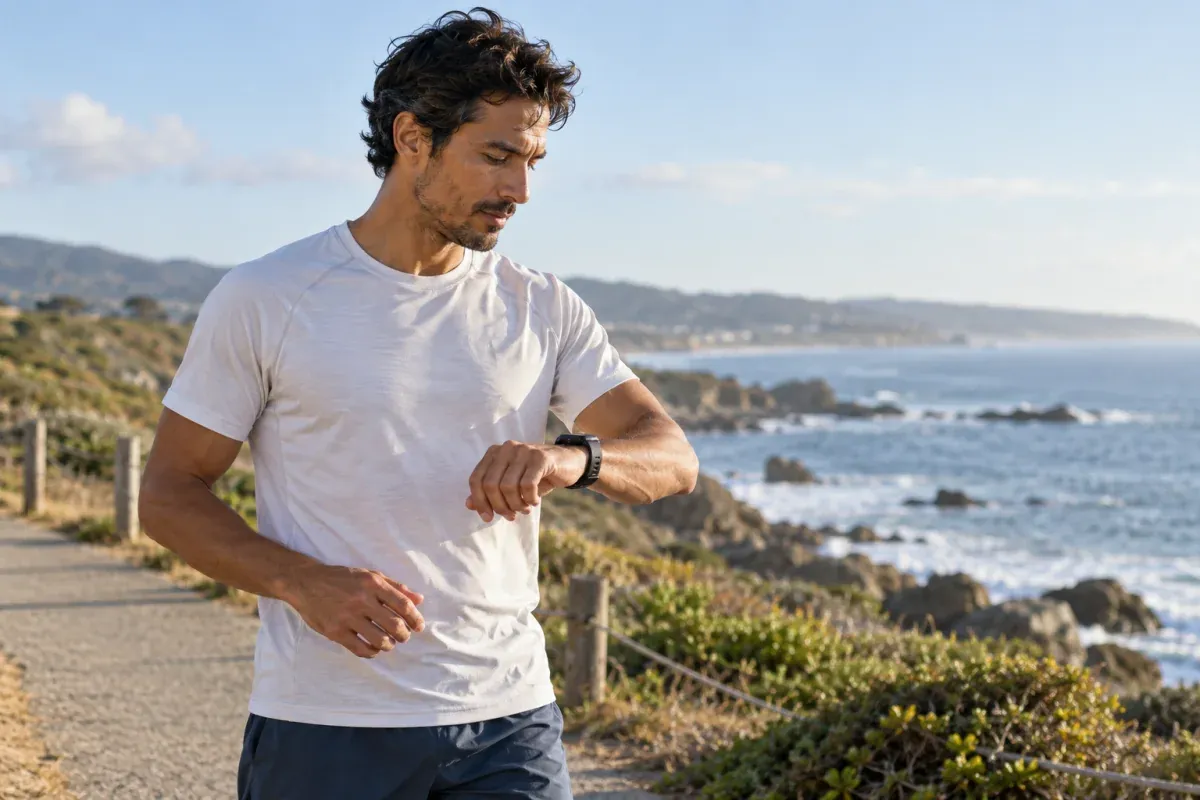
This isn't for every runner. If you take photos, use apps mid-run, or need your full phone for other reasons, it's not a real substitute. But if your core need is tracking plus a way to call for help, it removes the bounce, sweat, and access tradeoffs entirely instead of just managing them.
The Bottom Line
There's no single best way to carry a phone while running, only the one that matches your actual problem. Start from what's bothering you, bouncing, sweat, needing quick access, or not wanting to carry it at all, rather than starting from a list of gear categories and hoping one fits.
Whatever you land on, a snug fit close to your body beats the "right" category worn loose. Get that part right first, and most of the rest sorts itself out.
| Before you run | Check |
|---|---|
| Fit | The phone sits snugly and moves with your stride |
| Protection | Keep the phone protected from moisture and separate from keys or wrappers |
| Access | Choose a pocket you can reach as often as you need |
Frequently asked questions
Is it bad to hold your phone in your hand for the whole run?
It's not ideal, mainly because of trip risk and how easily a sweaty grip lets a phone slip. If you fall, a hand full of phone means one less hand free to catch yourself. It also tends to change your arm swing over a long run, since one arm stays tense while the other swings freely. If you still prefer holding it, at least use a solid, drop-proof case so a stumble doesn't cost you the phone.
What's the real difference between an armband and a waist belt?
An armband gives you the fastest access to your screen, since the phone stays visible on your arm the whole run. A waist belt trades some of that access for less bounce and more storage, since most belts also fit keys, a gel, or a card. Armbands tend to run hotter and sweatier than a belt worn at your waist or lower back. Pick based on how often you actually need to touch your phone mid-run, not just which one looks less bulky.
How do I stop my phone from bouncing no matter what I use?
Keep it as close to your body as you can, since distance from your center of mass is what causes bounce, not the category of gear itself. Tighten straps or belts until the phone moves with your stride instead of independently of it. If you can feel it swinging on its own rhythm, it's too loose or sitting too far from your body, so adjust the fit before switching to a different method entirely. A snug fit in a basic option usually beats a loose fit in a fancier one.
Will a regular phone case work, or do I need a special running case?
A regular case is usually fine as long as it's slim enough to fit whatever pocket or pouch you're using. What matters more than the case itself is protecting the phone from drops, since a sweaty hand or a stumble is the most common way a phone actually gets damaged on a run. A heavy-duty, drop-proof case is worth it if you tend to hold your phone or if it rides loose in a pocket. Beyond that, a thin pouch that separates your phone from keys or gel wrappers prevents scratches over time.
Do phone pockets in sports bras or shorts fit larger phones?
It depends on the specific design, and larger phones are more likely to create a visible bulge or add noticeable weight to one spot. Pockets built into bras and shorts vary a lot in depth and stretch, so a phone that fits fine in one design can feel tight or bounce more in another. If you have a larger phone, a dedicated belt or vest pocket generally has more room to spare than a bra or shorts pocket sized for an average phone. Try it before a long run, not on race day, since a pocket that's slightly too small becomes obvious well before the finish.
Is a running watch a real replacement for carrying my phone?
For some runners, yes, especially a GPS watch with cellular or LTE built in, which can track your run, play music, and make an emergency call without a phone anywhere on you. It's a real substitute if your main reason for carrying a phone is safety and tracking rather than photos or checking apps mid-run. It's not a full substitute if you rely on your phone for messaging, navigation beyond basic GPS, or anything else a watch can't do. Think of it as removing the carrying problem entirely, rather than solving it, for the runners it fits.
How do I keep my phone dry on rainy or sweaty runs?
Start with a plain sandwich bag or zip-top bag around the phone, which blocks both sweat and rain for free. If you'd rather not deal with a bag, a waterproof sleeve or a pocket made from water-resistant fabric does the same job built into the gear itself. Either way, keep the phone separated from keys or gel wrappers in the same pocket with a thin case or a small pouch, since those scratch a screen faster than sweat damages one. None of this needs to be expensive to work well.
I completed my first 10K on a dare. In a year, I ran a half-marathon. Another year later, I finished a marathon race. Today I run 4 marathons a year and a half-marathon every week. I learned everything about running the hard way. So, I help runners achieve better results easier.