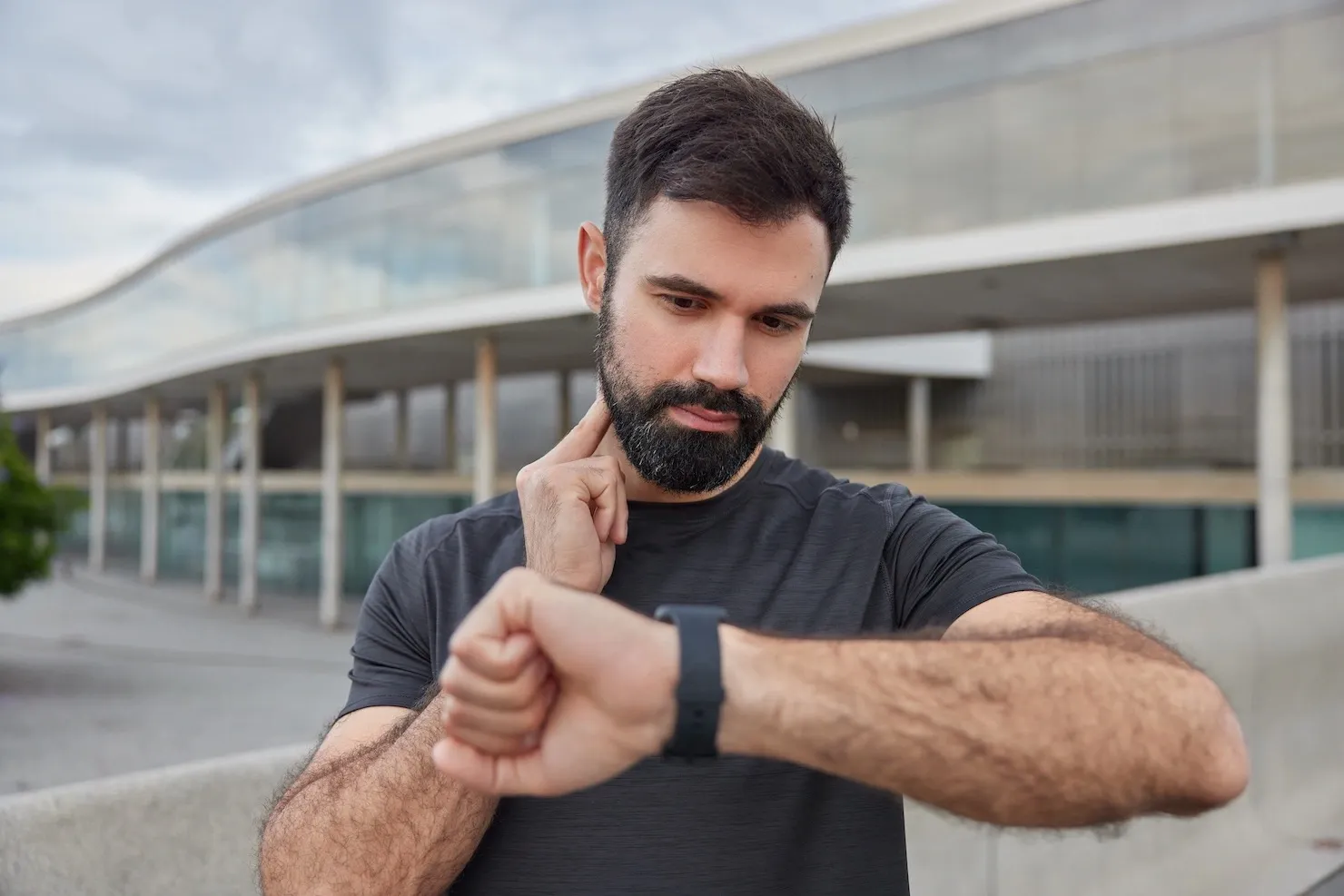
Easy pace, easy breathing, then you glance down and your heart rate is higher than usual. If that keeps happening, your “recovery” run can quietly become a workout and stall progress. Or the number is lying, and you change your training for no reason.
High readings often come from a small set of causes. Think fatigue, heat and humidity, low fluids or fuel, stress, illness, low iron, caffeine, or a shaky sensor. This guide helps you narrow it down with quick checks you can do before, during, and after the run.
You’ll learn when to slow down or add short walk breaks, and when to troubleshoot the monitor. Then you’ll pick a simple fix for the day and a plan to confirm it next run. Let’s get started.
Caveat: This article is not medical advice and can't substitute one. Take any recommendation from it at your own risk. In any case, opt for a cardiology exam or consult your cardiologist.
20 Reasons for High Heart Rate While Running
- You are under 1 year into running
- High effort or natural fatigue
- High temperature and cardiac drift
- The switch to fat as fuel
- You're getting sick
- Lack of iron
- Listening to music
- Dehydration or lack of fuel
- Overtraining or insufficient rest
- Caffeine
- Lack of sleep
- HR-monitor's inaccuracy
- Dramatic altitude change
- Unsteady ground surface
- Substantial elevation gain
- Excitement or stress
- Impact of alcohol or smoking
- Recovering from illness or side effects from medications
- Pregnancy
- Unusual health conditions that a professional physician should explore
Fast checklist: what to do when your easy-run heart rate spikes
If your “easy” pace suddenly shows a high heart rate, treat it like a troubleshooting problem, not a fitness verdict. Start by comparing today to your own baseline (same route, similar weather, similar effort). Heart rate varies a lot between people, so don’t chase someone else’s numbers.
1. Verify the reading (60 seconds)
- Tighten the watch and move it a little higher on your forearm. Wipe sweat off the sensor.
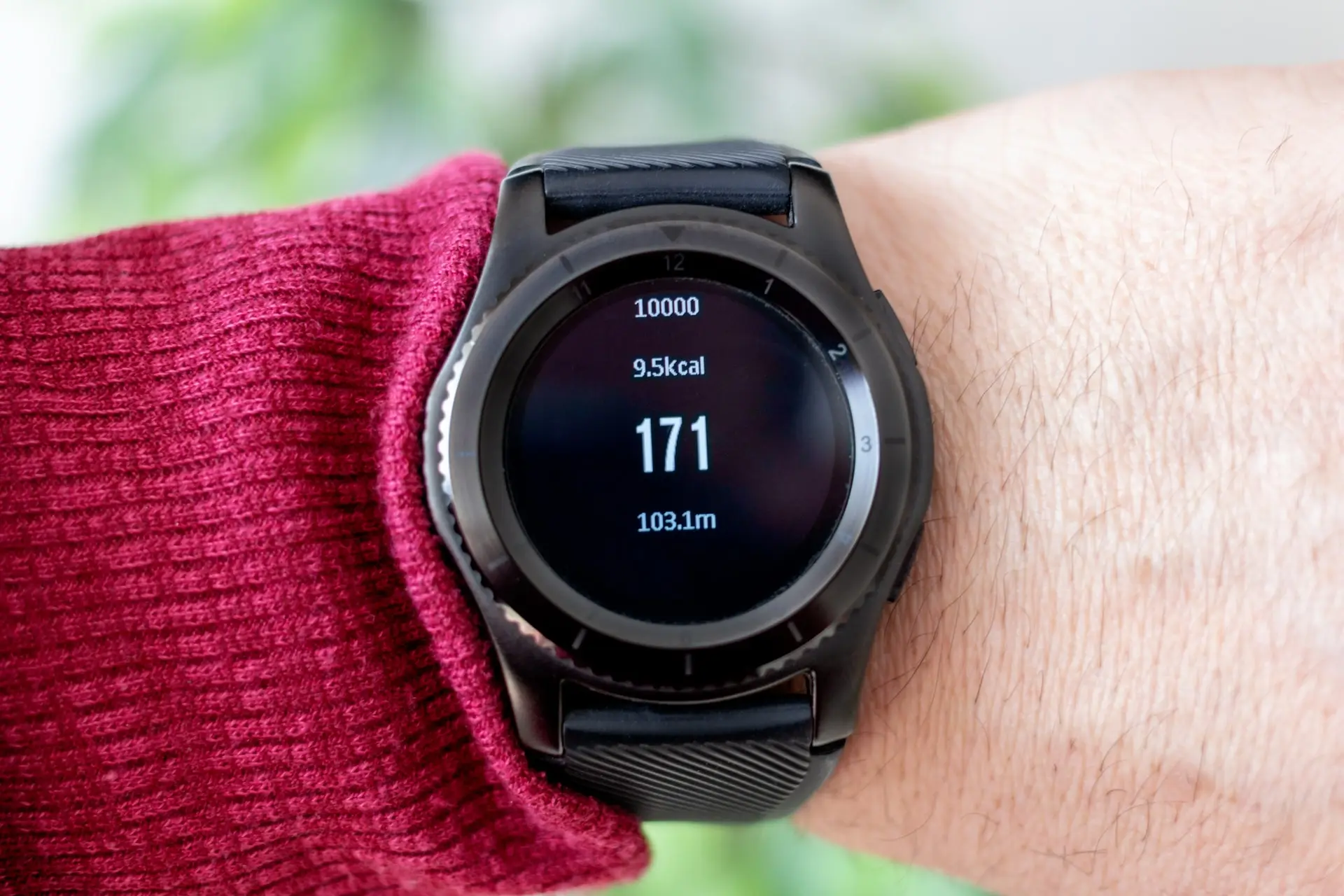
- If the number looks “stuck” or tracks your step rate, pause and take a manual pulse for 15 seconds.
- For the cleanest data, use a chest strap when you’re doing heart rate based training.
2. Re-check effort with the talk test (one minute)
If you can’t speak in full sentences, the run isn’t easy today. Slow down, shorten your stride, or use short run-walk breaks until breathing settles.
3. Scan the usual culprits (two minutes)
Heat, humidity, hills, wind, dehydration, poor sleep, stress, and caffeine can all bump heart rate. If any of these are true, adjust the goal: keep it easy by effort, even if pace drops.
4. Decide: keep going, switch, or stop
Keep going if symptoms are absent and heart rate trends down with a slower effort. Switch to a walk or call it if you feel lightheaded, unusually short of breath, chest discomfort, or your heartbeat feels irregular.
After the run, log the basics (sleep, stress, heat, fueling, illness, medications). If this shows up for several runs in a row, take extra recovery days and consider checking in with a clinician, especially if your heart rate is also high at rest.
#1 You are under 1 year into running or insufficient consistency
The study revealed that consistent running triggers many positive changes in our bodies, including increased blood volume, mitochondria size, capillary density, stroke volume (the amount of blood transferred with one stroke), and overall cardiac output (the volume of blood circulated per minute).
In contrast to untrained individuals, the hearts of savvy runners can do fewer beats to deliver the same amount of oxygen-rich blood and nutrients to the whole body. For this reason, persistent runners who have already built up aerobic fitness (1+ years of running, 2-3 times per week) experience a lower average heart rate while running and at rest.
#2 High effort
There is a chance that your definition of an easy pace doesn't correspond to your current fitness level or what your body considers an easy effort. So, every run that feels easy turns out to be a depleting workout for your body. After a substantial rest (5-7 days), your body fully recovers, and the heart rate returns to normal. However, when training more frequently, it can skyrocket again, even on easy runs.
Start with defining your maximum heart rate and respective heart rate training zones. For marathon runners, training at Zone 1 and 2 should make up to 80% of the mileage. Mind that your max heart rate depends on your age and physical fitness. Also, women's maximum heart rate is generally higher than men's.
#3 High temperature, humidity, and cardiac drift

The study has shown that after 1 mile of running in hot weather (90 °F/32 °C), the heart's stroke volume and cardiac output progressively decrease. To compensate for that, the heart starts to beat faster and faster. This is called a cardiovascular drift.
High humid weather affects our ability to normalize the body temperature and accelerates dehydration. So, the heart needs to work harder to circulate the hot blood to the skin, where it can cool down while operating with decreasing blood volume (the consequence of dehydration).
Training sessions in temperature and humidity conditions close to those you'll have on race day adapt your body and normalize your heart rate.
#4 The switch to fat as fuel
When depleted of fast fuel (e.g., glycogen from the liver), our bodies transition to fat burn to fuel the next step. Unlike glycogen, energy synthesis from fat requires oxygen from the blood. So, our heart should beat faster to fuel not only running but also fat conversion.
Usually, it happens at the end of the long run or race and is accompanied by an increase in the heart rate. In an untrained athlete, it happens sooner.
#5 You're getting sick
When we are about to get sick but don't have any symptoms, our immune system is already alerted and working hard to fight the illness. Consequently, many body parts work overactive: thyroid, tonsils, lymph nodes, spleen, etc. Meaning they get more blood flow and nutrients from the blood. As a result, our blood pressure and heart rate increase.
#6 Lack of iron
When our blood is poor in iron, its ability to transfer oxygen is decreased significantly. So, our heart and breathing rate increase to compensate for this. Decreased iron levels (anemia) are rarely met in men but are common in women during periods.
#7 Listening to music
At first, I couldn't believe it, but a study proved that listening to music while running increases the heart rate. Moreover, its effect on our body is similar to caffeine. It isn't surprising that music is considered a natural doping and is forbidden to elite athletes during races.
The effect of favorite tracks is often overlooked. Music triggers emotions and alerts our attention, pushing us to work harder and ultimately increasing the output from the exercise. So, it inevitably leads to a higher heart rate in the running.
#8 Dehydration or lack of fuel
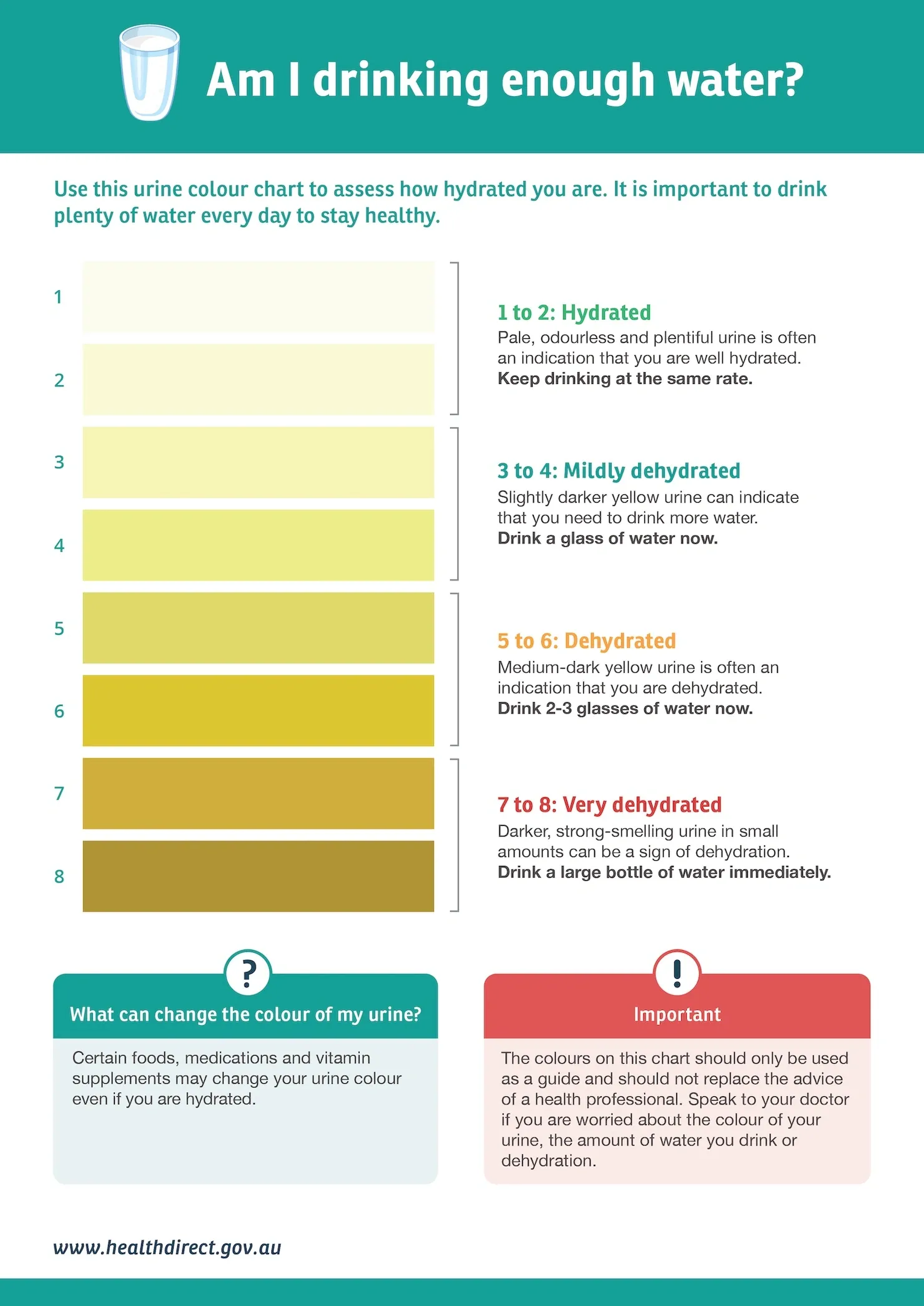
Increased heart rate is the lightest consequence of dehydration. Prolonged, high-intense activities while experiencing dehydration can result in a significant decrease in blood volume, blood pressure increase, muscle cramps, headaches, dizziness, blood in your urine, loss of consciousness, and even death.
If your urine is transparent, you're hydrated well; if it's dark yellow or brown, you're dehydrated–drink water now.
When lacking fuel during a run, your body will tap into your fat reserves to generate energy. Synthasing energy from body fat is an energy-demanding process. So, you get a rise in heart rate because your heart will work harder to deliver nutrients and oxygen to your legs and the cells responsible for fat conversion.
During long runs, we inevitably tap into our fat reserves for fuel–that's the ultimate goal of the training session. However, consuming carbs on the run (gels, nuts, chews, etc.) accelerates the fat conversion.
#9 Overtraining or insufficient rest
When you are physically exhausted, and your energy reserves are low, your body will turn to fat reserves and start to burn them to fuel your physical activity. And as we discovered in the previous paragraph, the heart rate will increase. The trigger of too much training and not enough rest is a sudden increase in your resting heart rate.
#10 Caffeine
A cup of coffee increases the heart rate for one hour. A lot of coffee can harm your sleep and health overall—drink no more than 3 cups daily (my maximum dose is 2 cups daily). Also, don't drink coffee after 6 p.m. if you want to sleep well.
#11 Lack of sleep
Sleep is the most valuable recovery tool for runners. If you don't get enough sleep regularly, you'll feel tired and lack energy, and eventually, you'll experience an increase in heart rate on easy runs. Poor sleep can also lead to accumulated fatigue, weakening the immune system, and ultimately cause injuries.
Don't use lack of sleep as an excuse not to jog today, but reduce your pace if necessary to stay in safe heart rate training zones. Sleep for at least 7 hours at night (8, ideally). If you train twice a day, get a quick nap in the noon on top of that.
#12 HR-monitor's inaccuracy
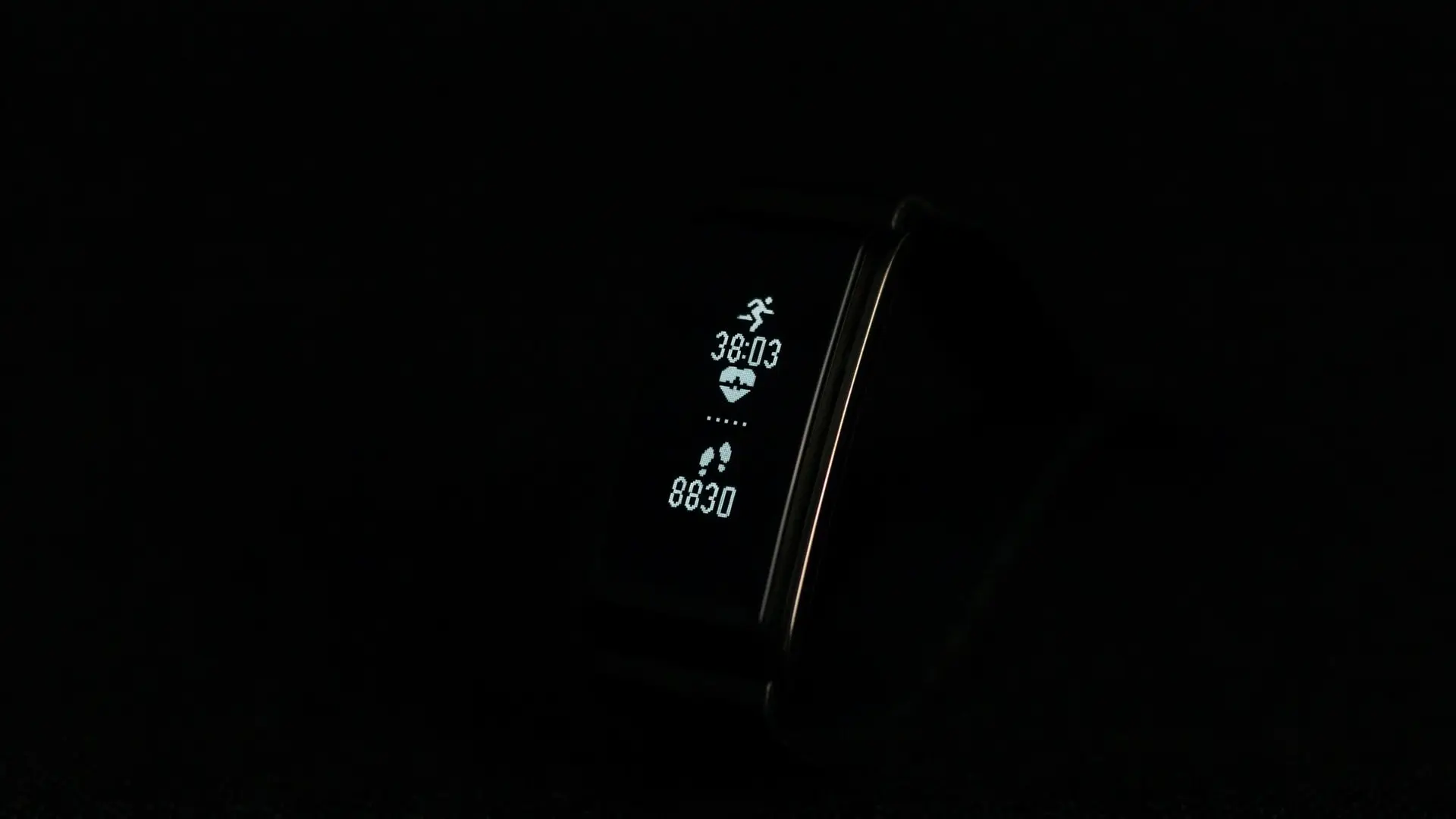
A wrist-based heart rate monitor becomes less accurate when:
- it isn't fitted snuggly to your wrist;
- training in heart rate zones 4 and 5;
- the sensor isn't designed specifically for running.
To improve heart rate readings, use a chest strap sensor or bicep-based heart rate belt in addition to the watch. This combination is more precise overall and is a must-have for high-intense workouts.
#13 Dramatic altitude change

Our bodies are sensitive to minor changes in the air, especially under physical loads. The higher you get, the less oxygen is in the air. Lack of oxygen forces us to breathe deeper and more often (up to labored breathing). With a higher breathing rhythm, our body is forced to produce faster heartbeats.
Professional runners prepare for crucial races in the mountains. This way, they temporarily put their bodies under additional stress at high altitudes, forcing their bodies to adapt accordingly. So, they show better times when returning to more convenient running conditions at lower altitudes.
#14 Unsteady ground surface

Different ground surfaces can make running easier or more challenging, affecting your actual heart rate. Cushioned surfaces with slight shock-absorption capabilities, like plastic tracks, grass, and dry, stiff trails, make running more effortless, decreasing your HR or allowing you to run faster.
In contrast, soft and unsteady surfaces like sand, mud, or finnenbahn (cork) require additional energy for each step, raising the heart rate and forcing you to run at a slower pace.
#15 Substantial elevation gain

Running uphill requires additional effort level and causes a rise in heart rate. Moreover, moving uphill activates the muscles that were previously idle and undertrained. So, the body makes an extra effort to deliver oxygen to new or more muscles. According to scientist and professional runner Renato Canova:
"On average, energy consumption increases by 20% when the running surface has an incline of 5°."
Perform mountain intervals to adapt your body to uphills and especially downhills.
#16 Excitement or stress
Mental highs and lows are bound to our bodies' physical health. If you are going through something unpleasant or painful in your personal life, you can notice an elevated heart rate during exercise. The same is relevant for the times of excitement.
It's OK to use jogging to get your thoughts in order and your stress level normalized. They say running is like meditating with your feet. In my experience, running through life's challenging periods makes it easier and helps one recover quickly.
#17 Impact of alcohol or smoking
Alcohol and smoking put additional stress on your body, elevate your heart rate level, and prevent you from progressing with running. When you're young, it's elementary to get on the wrong side of the road, which leads to addictions, diseases, financial problems, and a shorter life. Make running your priority and ditch everything else that doesn't bring you closer to your personal and professional goals.
#18 Recovering from illness or side effects from medications
A disease stresses your body and focuses your energy on the quickest healing. As a result, the runner can lose physical fitness and require a decent time to return to the usual shape and performance. Jogging or cross-training through the illness can make it worse and postpone recovery. For example, after recovering from COVID-19, it takes 2-3 months to get back to a regular heart rate on easy runs.
Also, heart palpitations (elevated HR) can be a normal reaction to medications, like drugs for special heart conditions.
#19 Pregnancy
Pregnancy triggers significant changes in women's bodies. Supplying two organisms with a single blood system puts additional stress and requires more resources. As a result, your HR can increase even in the early stages.
So, switch running to more appropriate sports, like prenatal yoga. No worries; your fitness and regular heart rate will return to normal later.
#20 Unusual health conditions that a professional physician should explore
If you have gotten to this paragraph and didn't find a decent reason for the high heart rate, chances are there is a more complicated reason behind it. Especially if your elevated heart rate is accompanied by chest discomfort, increased blood pressure, irregular heartbeats, or even chest pain. In any case, consult your cardiologist so your running doesn't cause any harm.
How Do You Decrease Your Heart Rate While Running?
Sometimes, you need to decrease the HR immediately on long runs or between intervals. Here are a few self-tested techniques to instantly lower your heart rate while continuing running.
Step 1. Deep and Smooth Stomach Breath

Breathe in as deep as you can and smoothly breathe out. This technique can lower heart rate while running by 5-10 beats per minute. If you try it and feel your body doesn't get enough oxygen, skip it and either slow down or finish your run.
Step 2. Normalize Cadence

Running with the same number of steps per minute helps your body stay in an efficient energy-saving mode longer despite up and downhills. Don't take more or fewer steps; adapt your steps' lengths instead—this helps you avoid sudden rises and decreases a high heart rate when running.
Step 3. Slow down—lower your pace
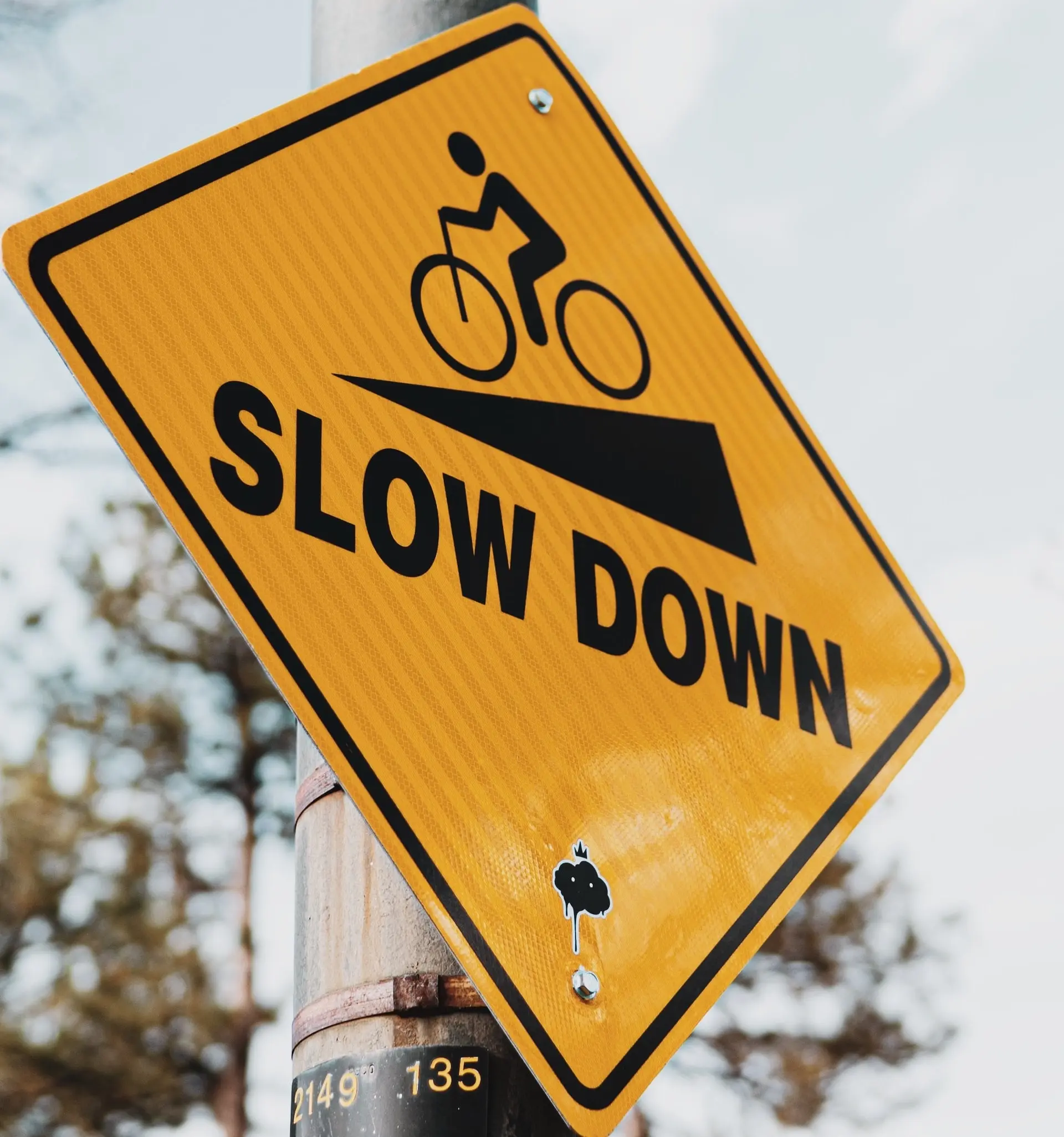
If you've tried everything and nothing works, slow down—sometimes that is the best advice on how to lower your heart rate while running and the only way to bring your pulse back to normal.
Is it OK to have a high heart rate while running?
High heart rate running is OK when anticipated, but if your HR goes up without an apparent reason and you aren't feeling or breathing well, it's better to stop and start over in a while.
Despite the distance you're preparing for, a golden rule is that high HR runs should make up to 20% of your weekly distance and time. Running consistently with an increased heart rate leads to constant body exhaust because it doesn't recover between workouts. Ultimately, you reach a plateau in your progress, get injured, or burn out.
To prevent this in the first place, buy an HR monitor and track each of your training. 80% of your monthly mileage should be under 135 beats per minute or less than 80% of your maximum heart rate. Tracking your pulse helps you better distinguish different HR zones according to your pace and perception, and you can track your pulse only once a week when you have high-intensity workout training.

What Happens If Your Heart Rate Is Too High For Too Long?
In a healthy and trained body, running with a high heart rate for a long time will lead to the following consequences:
- The body will burn available energy and start to burn fat to fuel its functioning
- Your speed will decrease gradually while the HR remains high
- The body will overproduce lactate that settles in muscles and require much time to recover
- At best, you'll end up being wholly exhausted—at worst, you'll get an injury and won't be able to jog for a while
An untrained or sick body running with a high heart rate for too long could result in loss of consciousness, heart disability, and even death. For this reason, all official races require the participants to sign a waiver of liability.
The Bottom Line
A lower-than-usual heart rate at rest and while completing regular distances is a sign of progress in running. If you experience the opposite and wonder why your heart rate is often high even on easy runs, something might be wrong, and you should act on it.
Take a rest and try to find out the actual reason for it. If you did your best and couldn't find an apparent reason for an elevated heart rate, consult a cardiologist at your earliest convenience.
FAQs on high heart rate while running
Why is my heart rate high on an “easy” run when my pace is slow?
Your heart rate can run high because the effort is higher than you think. This is common if you are newer to running, tired, stressed, or coming off a hard week. It can also happen from heat, dehydration, low iron, or getting sick.
Why does my heart rate keep creeping up as the run goes on?
That steady climb is often “cardiac drift,” where your heart rate rises even at the same pace. Heat, humidity, hills, and dehydration make it show up sooner. If it happens late in long runs, low fuel can play a role too.
My watch says my heart rate is high, but it feels easy, is my device wrong?
Yes, wrist sensors can read high, especially if the watch is loose or you are moving fast. Tighten the fit and compare with a chest strap or biceps band if you can. If the numbers still look odd, use effort cues (talk test and breathing) for that run.
Can sleep, caffeine, alcohol, or dehydration push my easy-run heart rate up?
Yes, all of those can raise heart rate on a run that normally feels smooth. Poor sleep and dehydration are common triggers, and caffeine can add a noticeable bump. Alcohol and smoking can also increase stress on your system and make recovery worse.
What can I do during the run to bring my heart rate down without stopping?
Slow down first, even if it means adding short walk breaks. Then try deep belly breathing and keep your cadence steady while shortening your stride. If your heart rate will not settle, turn the day into a true easy day and head home.
Should I follow heart rate zones or the talk test for easy runs?
Use heart rate when it seems reliable, and use the talk test when conditions change. On hot days or hilly routes, pace can mislead you, so effort cues often work better. Over time, easy running should make up most of your weekly volume, with harder work as a smaller slice.
When is a high heart rate on an easy run a red flag?
Stop running and get medical help if you have chest pain, fainting, severe shortness of breath, or an irregular pounding heartbeat. Also take it seriously if your heart rate is unusually high for several days with no clear reason, especially if you feel unwell. When in doubt, skip the run and talk with a clinician.
I completed my first 10K on a dare. In a year, I ran a half-marathon. Another year later, I finished a marathon race. Today I run 4 marathons a year and a half-marathon every week. I learned everything about running the hard way. So, I help runners achieve better results easier.